NPR recently featured the work of Cacao of Excellence in a story exploring one of the central challenges facing the cacao sector today: while cacao contains extraordinary flavour diversity, there are still limited harmonised ways of understanding, evaluating and communicating flavour and quality consistently across the supply chain.
As a result, flavour can be difficult to compare, communicate and value consistently across origins and markets.
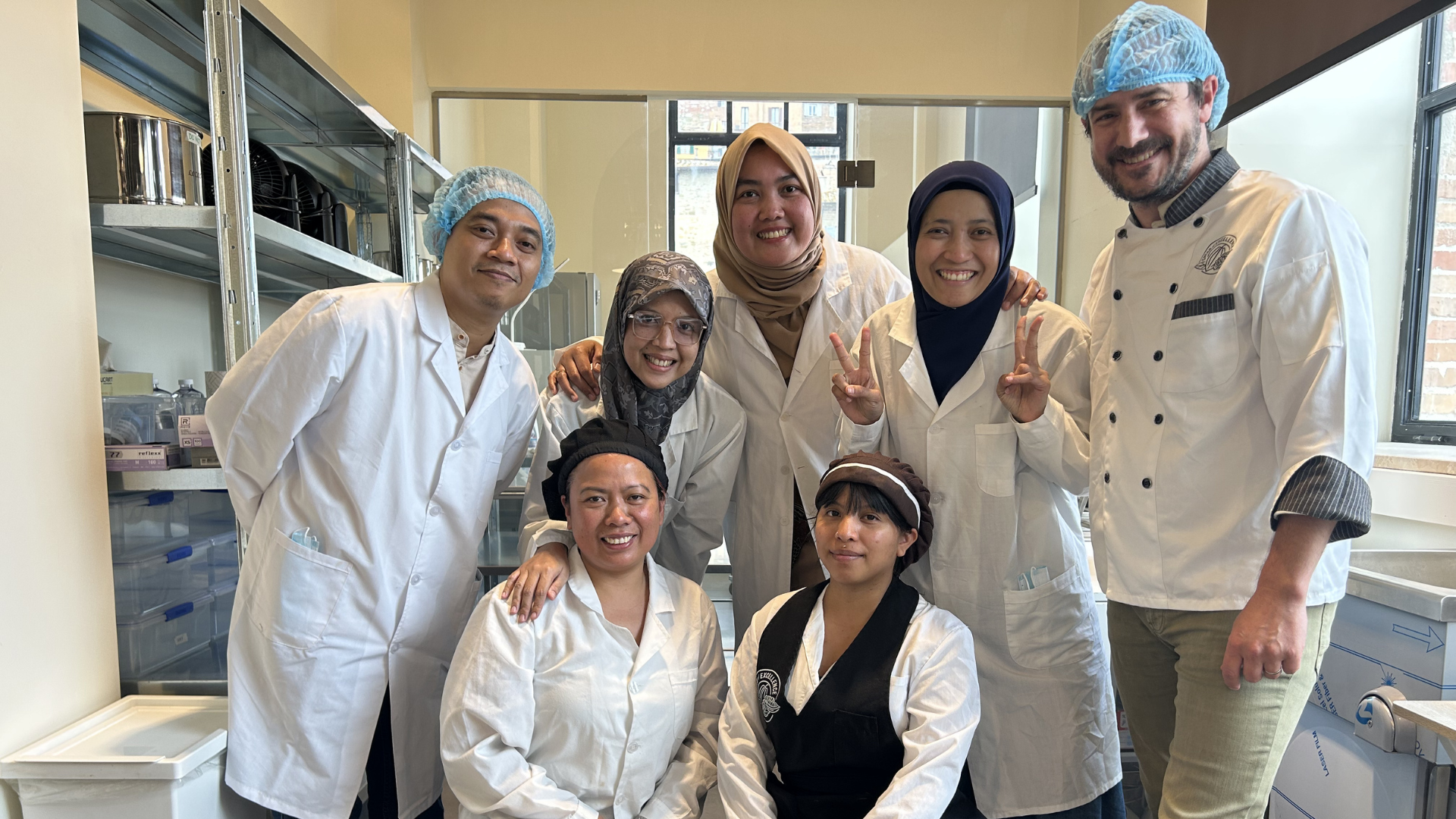
The feature follows the work taking place at the Cacao of Excellence laboratory in Perugia, Italy, where cacao samples from around the world are processed under identical preparation conditions to support more comparable sensory evaluation. Through shared preparation and evaluation methodologies, flavour differences between cacao samples become clearer, more comparable and easier to communicate.
The story highlights an important point at the centre of Cacao of Excellence’s work: harmonisation is not about standardising flavour. Quite the opposite. By evaluating cacao under identical conditions, the distinct characteristics and flavour diversity of each cacao become more visible and easier to understand.
For producers to benefit more meaningfully from flavour recognition, however, this work cannot happen at farm level alone.
Today, producers, buyers, chocolate makers, researchers, technicians and evaluators often operate with different references and vocabulary for describing cacao quality. Without greater alignment around how flavour and quality are understood and communicated, it becomes more difficult for producers to consistently communicate the qualities and potential of their cacao across the supply chain.
This is why Cacao of Excellence works not only on producer recognition, but also on training, research, harmonised methodologies and accessible sensory evaluation tools that can help the wider sector build shared reference points around cacao quality.
The NPR feature includes interviews with Cacao of Excellence Programme Manager Julien Simonis, lab assistant Julia Butac and participating producers, including Roong Kumpan of TinTin Chocolate in Thailand and Rosaura Laura of the Juan Laura farm in Peru. Together, their perspectives illustrate how shared methodologies and sensory tools can support greater understanding and communication around flavour and quality.
At its core, the work of Cacao of Excellence seeks to contribute to a sector where cacao flavour is more widely understood and valued, and where producers are better empowered to understand, evaluate and communicate the qualities of their cacao, supporting stronger visibility, market access and economic opportunities.
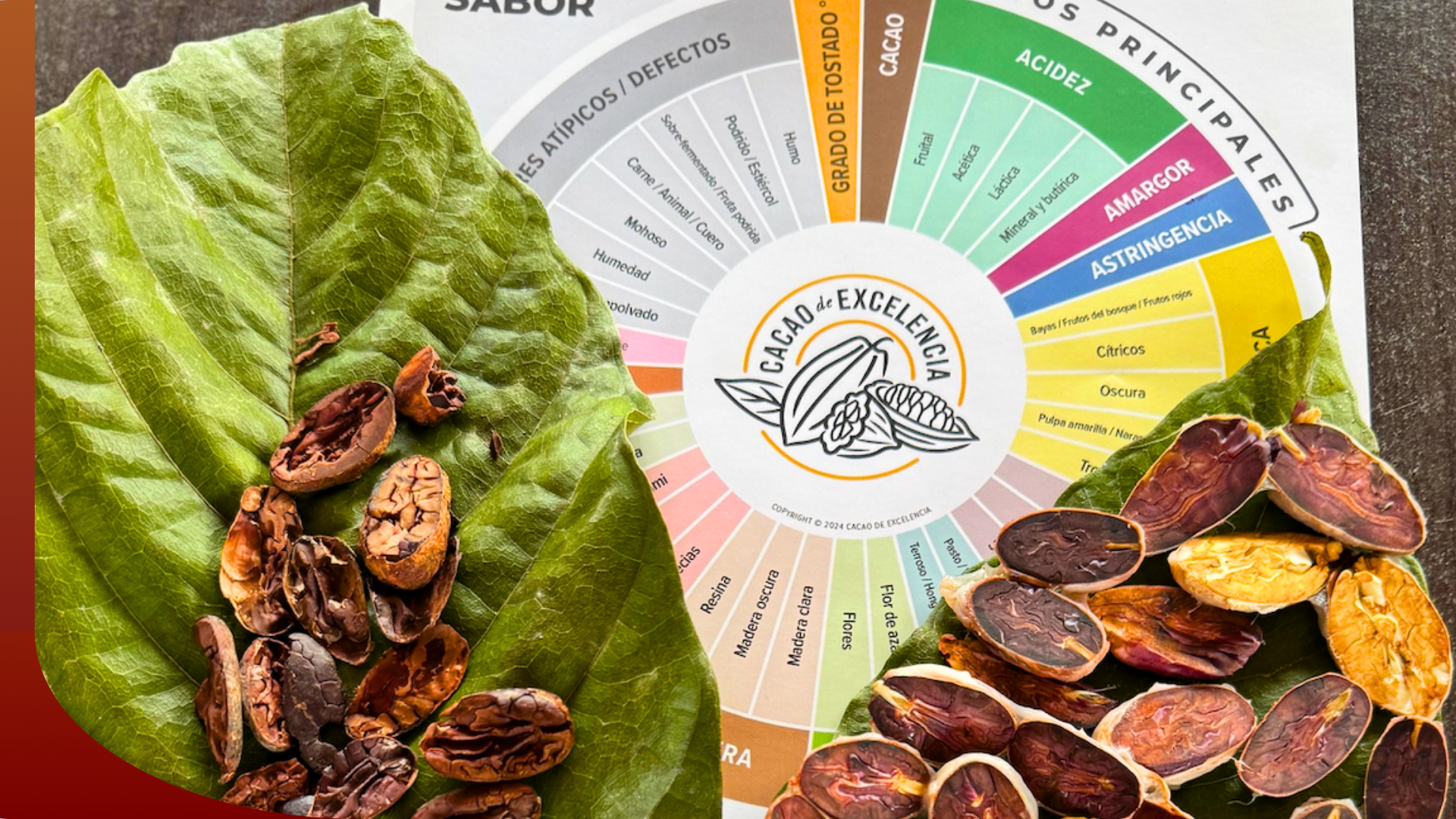
Discover Cacao of Excellence tools for sensory analyis